
Healthcare App Development Company That Experts Trusts
You need healthcare applications that protect patient data, integrate with clinical systems, and work reliably in real-world care environments. Get healthcare apps engineered for compliance, interoperability, and performance, without slowing down care delivery.
Most In-Demand Healthcare App Development Services
Healthcare software must support clinical accuracy, regulatory compliance, and uninterrupted system performance. These healthcare app development services are designed to help you build secure, interoperable healthcare applications that align with patient care workflows, operational efficiency, and long-term digital health goals.

Patient-Centered Mobile App Development
Design and development of patient-facing mobile applications that support appointment scheduling, health tracking, medication adherence, and secure communication. Solutions are optimized for accessibility, usability, and data privacy across iOS and Android platforms.

Telehealth & Virtual Care Platforms
Development of secure telemedicine applications that enable video consultations, remote diagnostics, and care coordination. Platforms are built with low-latency communication, audit-ready data handling, and scalable infrastructure to support growing patient volumes.

EHR & EMR System Integration
Integration of healthcare applications with EHR and EMR systems to ensure real-time access to patient records and clinical data. Support for HL7, FHIR, and secure APIs enables interoperability without disrupting existing clinical workflows.

Healthcare Data Analytics & Dashboards
Custom analytics solutions that transform clinical and operational data into actionable insights. Dashboards are designed for providers, administrators, and executives to support reporting, performance monitoring, and data-driven decision-making.
Remote Patient Monitoring (RPM) Solutions
Development of applications that collect and process patient data from wearable devices and connected medical systems. These solutions support chronic care management, early risk detection, and continuous monitoring in compliance with healthcare data standards.
HIPAA-Compliant Healthcare Apps
Cloud-based healthcare applications built with security, redundancy, and compliance at the core. Architectures support encrypted data storage, controlled access, and high availability while meeting regulatory requirements for patient data protection.
Medical Device & IoT Development
Software development for connected medical devices and IoT-enabled healthcare systems. Solutions enable secure data transmission, device management, and integration with clinical platforms for real-time monitoring and diagnostics.
Healthcare Modernization & Migration
Modernization of legacy healthcare systems to improve performance, security, and interoperability. Services include refactoring, cloud migration, and re-architecting applications to support current healthcare technology standards.

Why Choose Software Orca for Healthcare App Development
Software Orca builds healthcare applications with a clear focus on compliance, interoperability, and clinical usability. Our teams understand healthcare regulations, data sensitivity, and real-world care workflows, allowing us to deliver applications that are secure, scalable, and ready for production environments from day one.
Compliance & Security Standards in Healthcare App Development
Healthcare applications operate in one of the most regulated software environments. Our compliance and security practices are embedded across architecture, development, deployment, and operations to protect patient data, ensure system integrity, and meet healthcare regulatory obligations at scale.
HIPAA & HITECH Compliance Engineering
Applications are designed to meet HIPAA and HITECH requirements through enforceable technical safeguards. This includes protected health information (PHI) handling, access auditing, breach prevention controls, and secure data retention policies.
FHIR & HL7 Interoperability Standards
Healthcare systems are built to support structured data exchange using FHIR and HL7 protocols. This ensures interoperability across EHRs, clinical systems, and third-party healthcare platforms without compromising data accuracy or security.
Secure Identity, Authentication & Authorization
We implement strong identity controls including multi-factor authentication, role-based access control, and least-privilege enforcement. User and system access is tightly governed to reduce insider threats and unauthorized data exposure.
Data Encryption & Key Management
All sensitive healthcare data is encrypted in transit and at rest using industry-approved cryptographic standards. Secure key management practices are applied to prevent unauthorized access and protect long-term data integrity.
Application Security & Threat Mitigation
Healthcare applications are developed using secure coding standards to mitigate risks such as injection attacks, broken authentication, and insecure data handling. Security testing is applied throughout development to identify vulnerabilities early.
Cloud Security & Infrastructure Hardening
Cloud environments are configured with network segmentation, controlled service access, and secure deployment pipelines. Infrastructure settings are continuously reviewed to prevent misconfigurations that could lead to data breaches.
Audit Logging & Regulatory Reporting Readiness
Systems maintain detailed audit trails for user activity, data access, and system events. Logging mechanisms are designed to support regulatory audits, compliance reporting, and forensic analysis when required.
Incident Response & Business Continuity Planning
Healthcare systems are prepared for operational disruptions with defined incident response procedures and recovery strategies. Monitoring, alerting, and failover mechanisms ensure patient services remain available during security or system events.
Our Result-Driven Healthcare App Development Process
Our healthcare app development process is designed to meet clinical, regulatory, and operational requirements while ensuring scalability, security, and interoperability. Each phase is structured to reduce compliance risk, accelerate validation, and deliver systems ready for real-world healthcare environments.

Clinical & Regulatory Discovery
We begin by analyzing clinical workflows, patient journeys, and regulatory obligations such as HIPAA, HITECH, and regional data protection laws. This ensures the application is aligned with care delivery models, compliance mandates, and operational constraints from day one.

Healthcare System Architecture Planning
Application architecture is defined around interoperability, data privacy, and scalability. We design secure system flows that support EHR integration, structured medical data exchange, and future feature expansion without architectural rework.

UX Design for Patients & Clinicians
User experiences are designed for accuracy, accessibility, and usability across patient-facing and clinician-facing interfaces. Design decisions account for clinical efficiency, accessibility standards, and error reduction in healthcare environments.

Secure Healthcare Application Development
Development follows healthcare-grade security and coding standards. Features are built with secure authentication, encrypted data handling, and compliance-ready data storage to protect sensitive patient information.

Compliance Validation & Quality Assurance
Applications undergo functional testing, security testing, and compliance validation. This includes data handling verification, access control testing, and interoperability checks to ensure readiness for healthcare deployment.

Deployment, Monitoring & Continuous Optimization
Healthcare apps are deployed using secure cloud infrastructure with monitoring, logging, and incident readiness. Post-launch optimization focuses on performance, compliance maintenance, and evolving clinical or regulatory requirements.
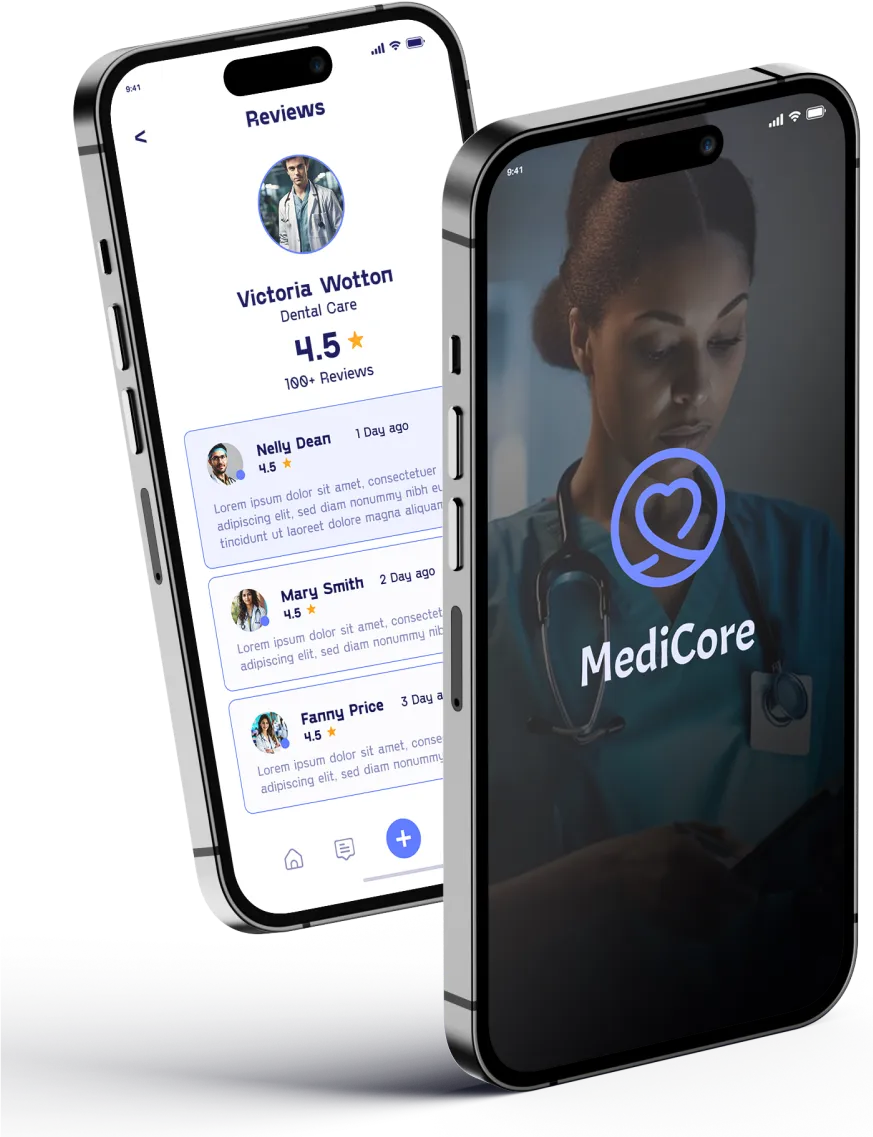
See How We Delivered Healthcare App Development Services
Healthcare organizations need applications that function reliably under clinical pressure while meeting strict regulatory standards. This portfolio highlights how Software Orca delivered a compliant, scalable healthcare solution built for real-world usage.

FinStack Banking on Better Tech
As an advanced IT software development company, we modernized FinStack’s legacy systems with a secure fintech app. Now they scale faster and serve smarter.
62%
Increase in ROI
48%
Improvement Delivery
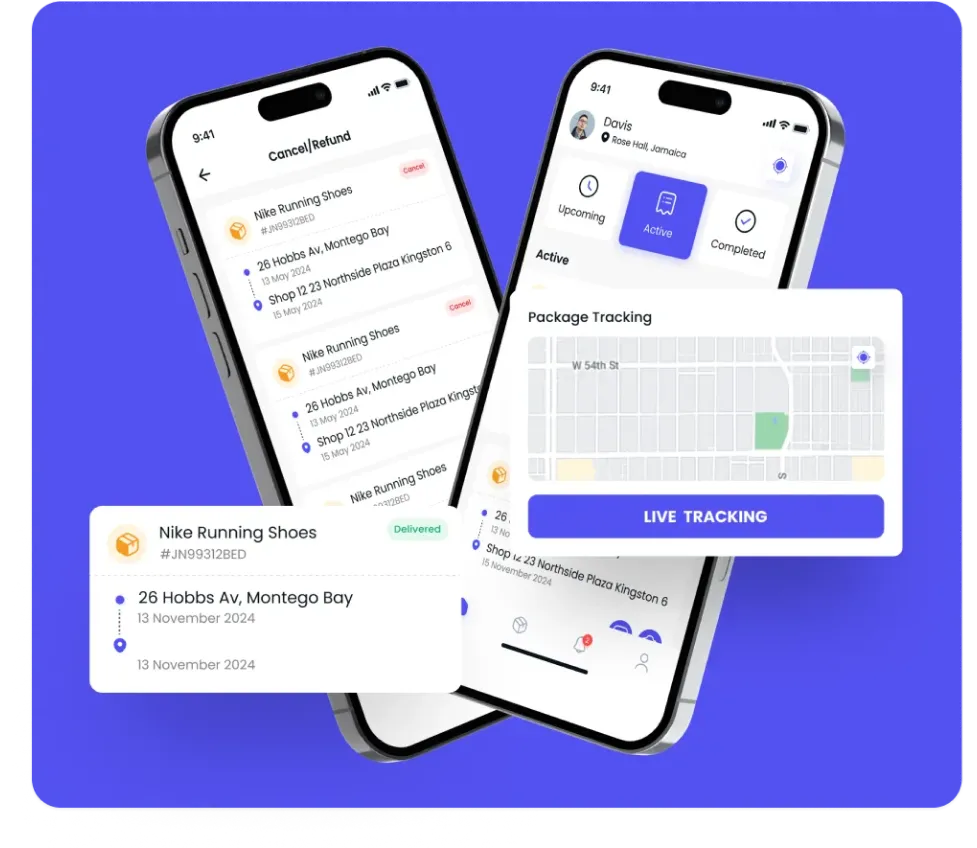

EduNova Smart Learning, Smarter Tech
EduNova’s AI tutoring platform—built by Orca—delivers personalized learning at scale across 3 continents.
75%
ROI Growth
53%
Improvement Delivery
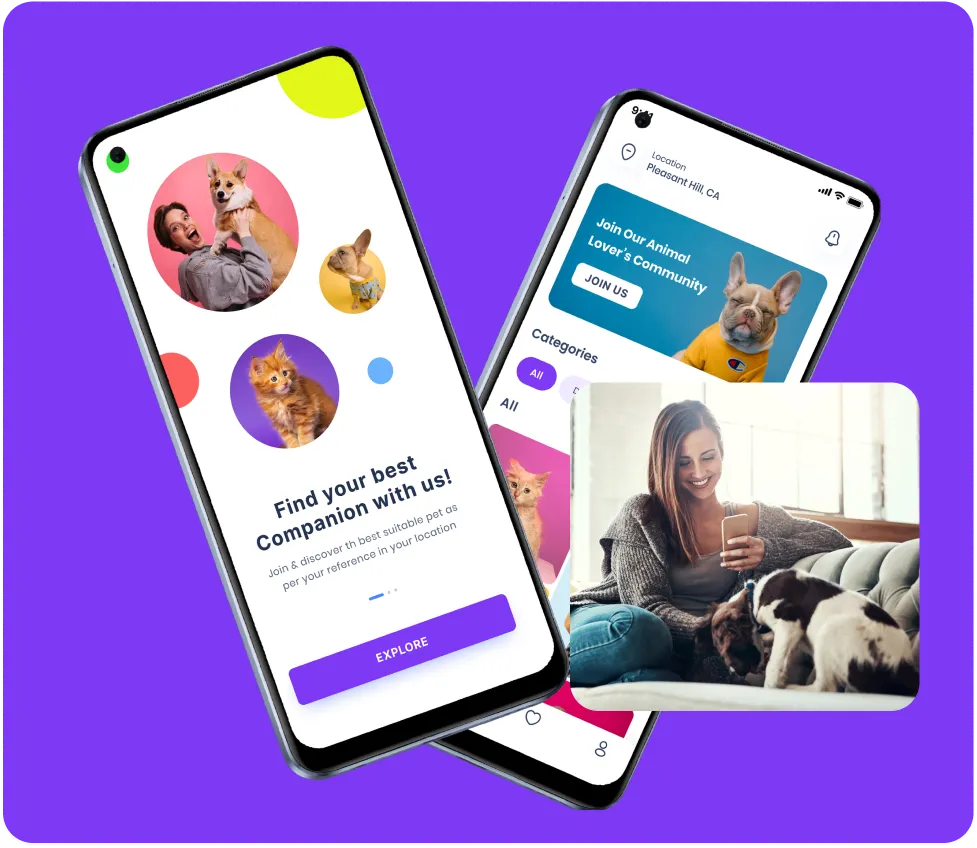

Digitizing Healthcare Access
MedCore’s custom scheduling software transformed patient access and boosted clinic efficiency across their network.
58%
ROI Growth
41%
Improvement Delivery
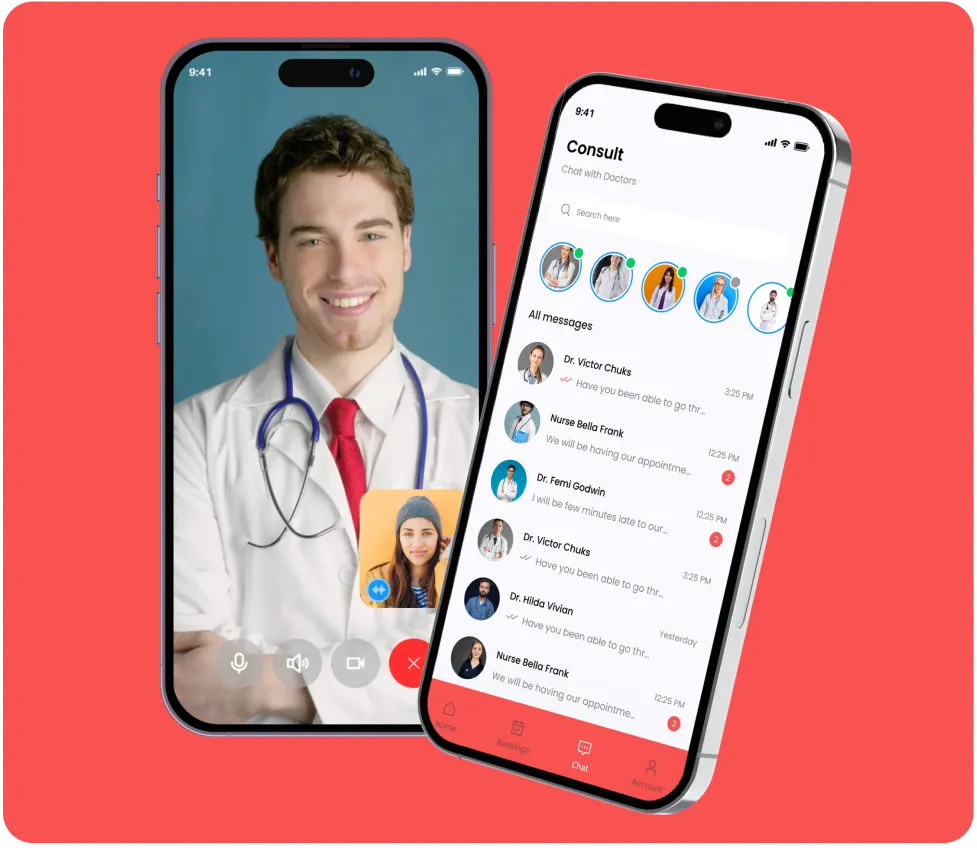

ShopBeacon Retail Reimagined
We built a unified platform that helped ShopBeacon blend online and in-store retail into one seamless experience.
69%
ROI Growth
55%
Improvement Delivery
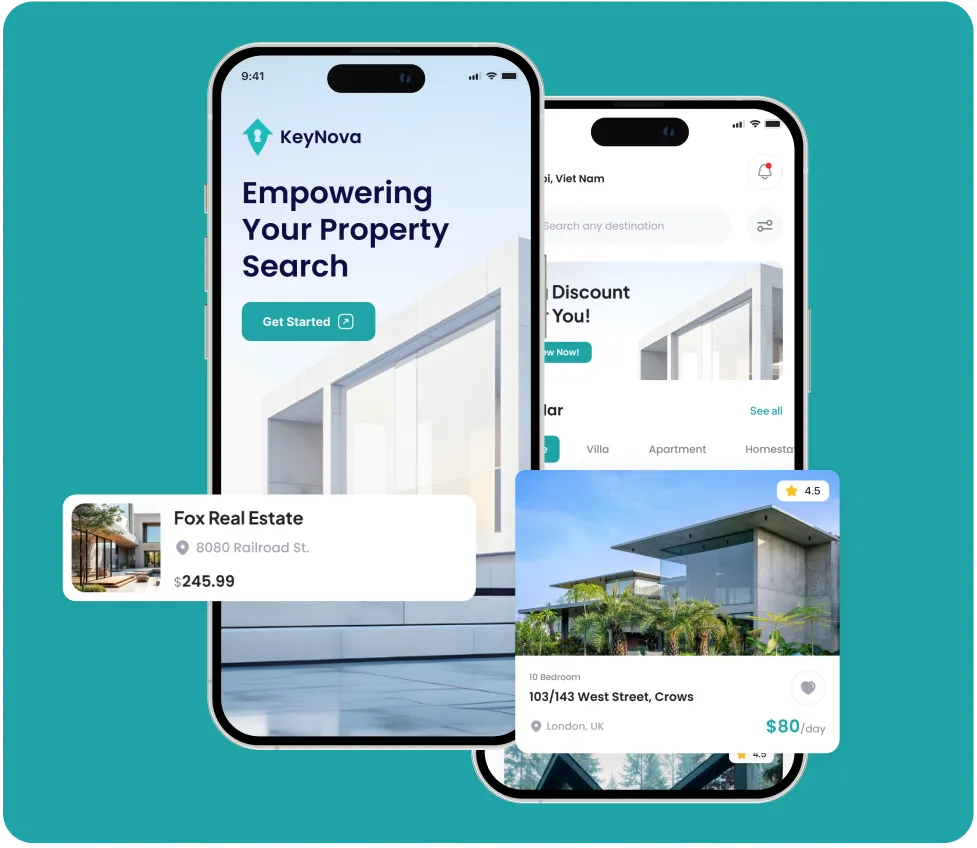

Clinic Link – Accessible Healthcare For Everyone
A platform for healthcare that offers treatment, community support, and medical services. Locate clinics, schedule appointments, & monitor your health.
54%
ROI Growth
78%
Improvement Delivery
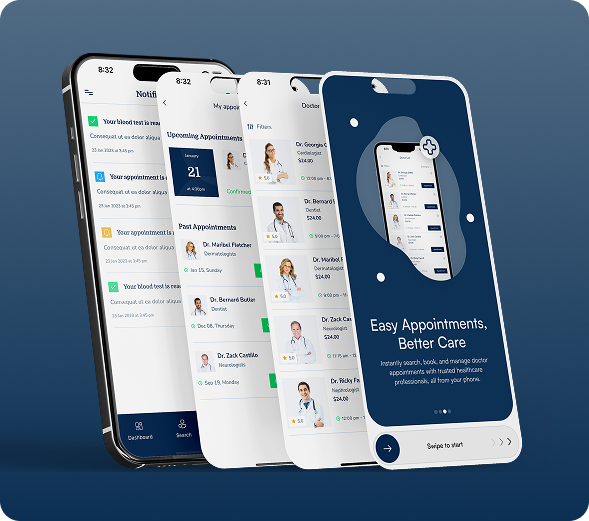

Easy Decor – Design Made Simply Affordable
A modern smartphone app that would enable homeowners to redecorate their homes without having to pay pricey interior designers.
54%
ROI Growth
78%
Improvement Delivery
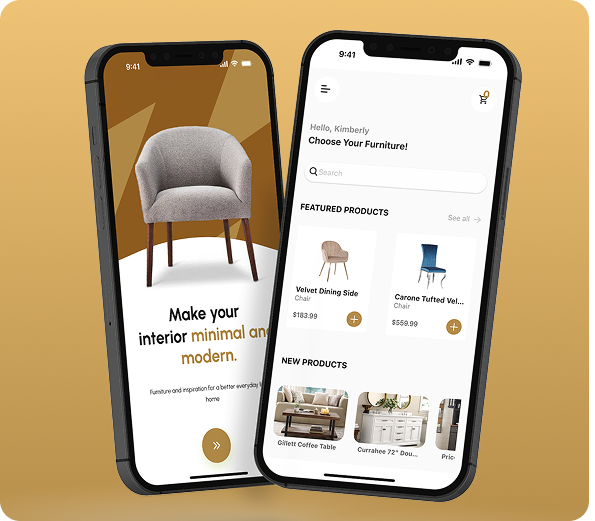

IntelliChat Mobile App To Connect
Voice/video calls, AI-driven recommendations, configurable themes, and group collaboration tools for smooth discussions are all elements of this clever, safe messaging software.
54%
ROI Growth
78%
Improvement Delivery
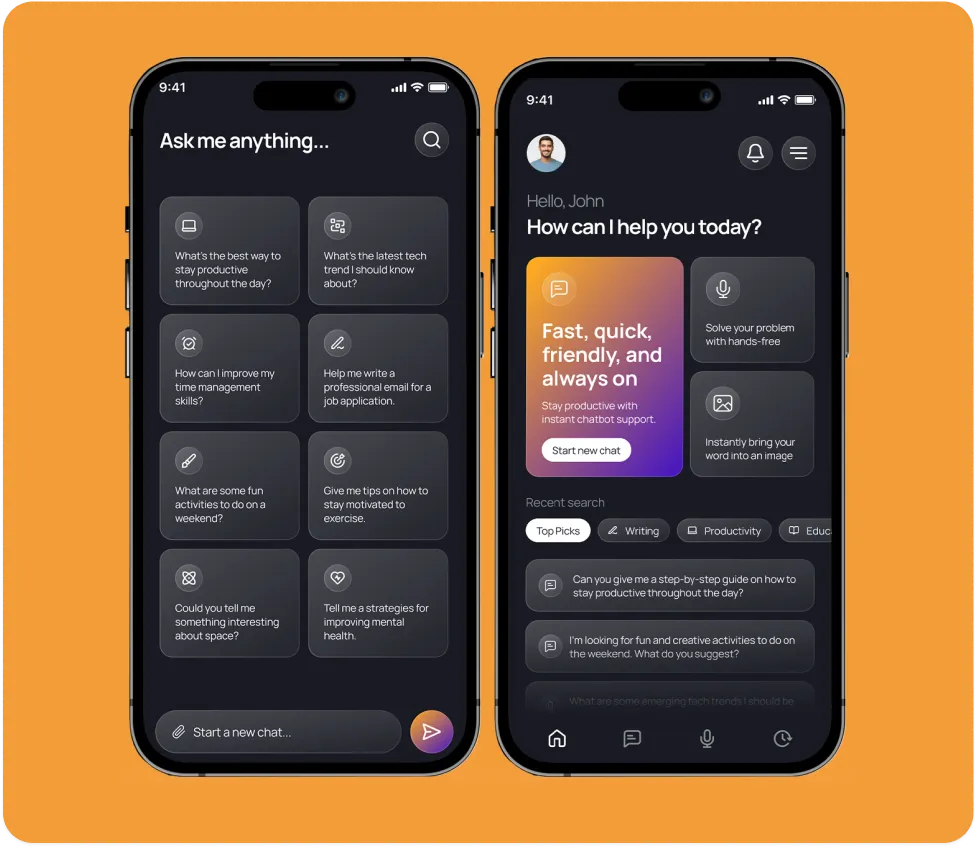

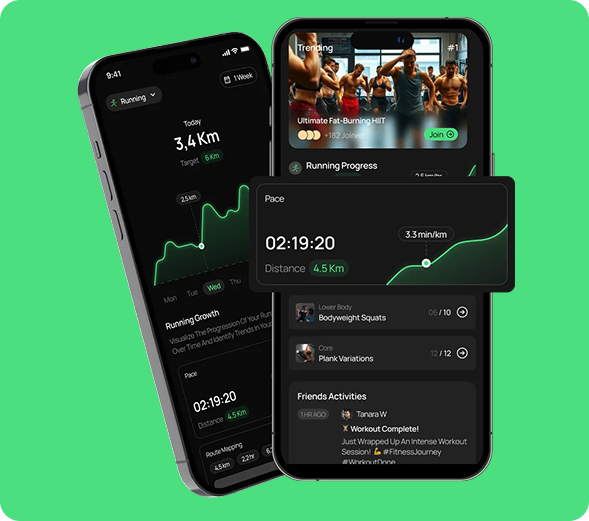
FitSoul–Modern Fitness Application
Uses social elements and tailored recommendations to help users track exercises, measure progress, create fitness goals, access routines, and remain inspired.
54%
ROI Growth
78%
Improvement Delivery

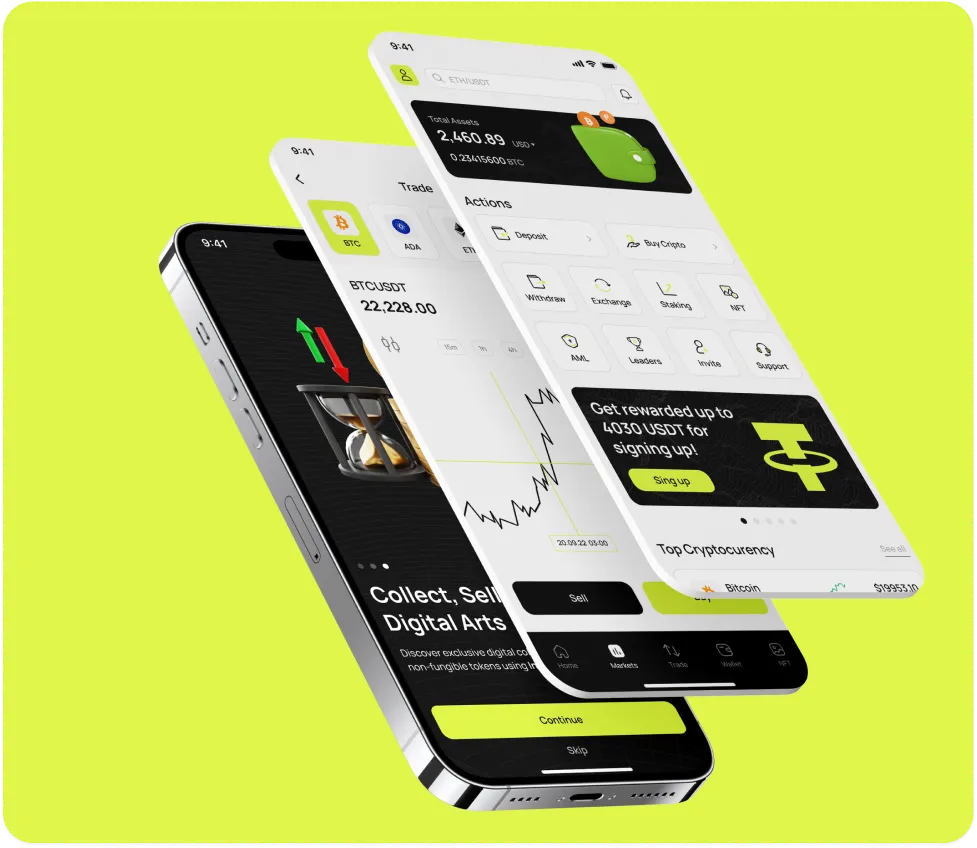
CryptoFlow – Simplifying Crypto Trading
It keeps an eye on cryptocurrency portfolios, follows market movements, and gives investors news, analytical tools, and notifications so they can make well-informed trading decisions.
54%
ROI Growth
78%
Improvement Delivery

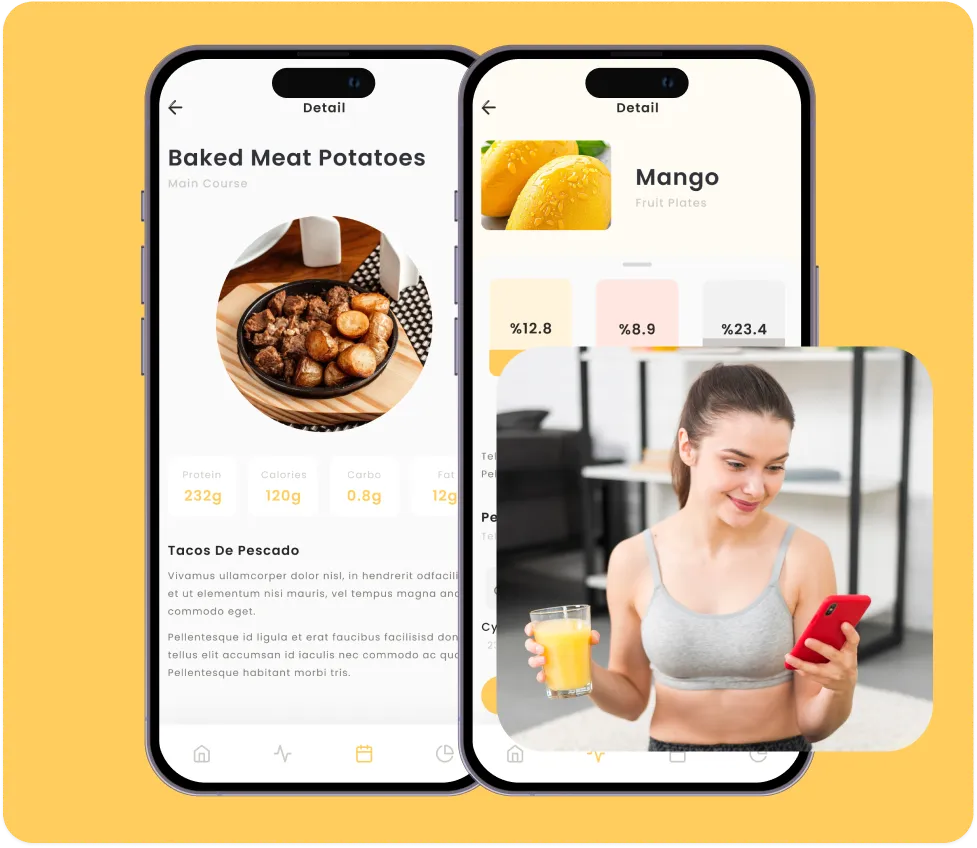
NutriTrack – Your Personal Diet Companion
It uses data-driven nutrition insights to assist users in setting goals, tracking macros, logging meals, and maintaining healthy behaviors.
54%
ROI Growth
78%
Improvement Delivery

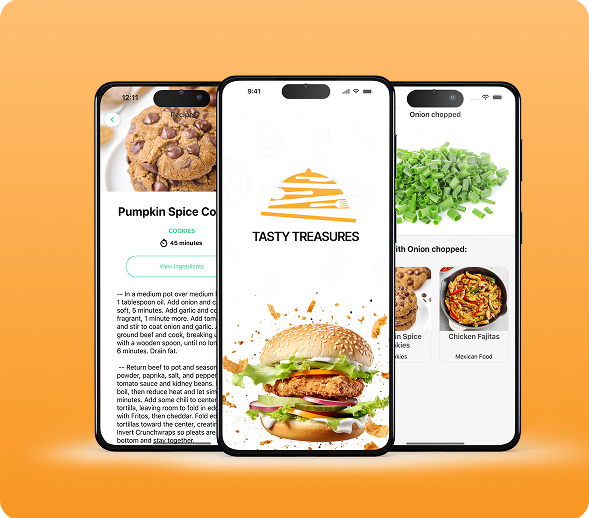
Tasty Treasure – Easy Home Cooking For Everyone
A recipe mobile app that revitalizes home cooking by offering step-by-step instructions for regular cooks and customizable meal planning.
54%
ROI Growth
78%
Improvement Delivery

Build a Healthcare App That Meets Clinical, Security, and Compliance Standards
Talk to healthcare app developers who understand real-world care delivery and regulatory risk.
Our AI Development
Tech Stack
We work with the latest technologies and platforms to build secure, scalable, and high-performing digital solutions tailored to your business needs.
Frontend (Patient & Clinician Interface)
React
Angular
Vue
Flutter
React Native
Swift (iOS)
Kotlin (Android)
WCAG-compliant UI components
Backend & Application Logic
Node.js
.NET Core
Java
Python
Microservices-based architecture
Healthcare Data Standards & Interoperability
HL7
FHIR
CDA
SMART on FHIR
EHR/EMR integrations
Databases & Medical Data Storage
PostgreSQL
MySQL
MongoDB
Encrypted object storage for PHI
Cloud & Infrastructure
AWS
Microsoft Azure Health Data Services
Google Cloud Healthcare API
Security & Compliance Tooling
OAuth 2.0
OpenID Connect
AES-256 & TLS 1.2+
Audit logging & access traceability
FAQs
A healthcare app development company designs, builds, and maintains digital health applications such as patient portals, telemedicine platforms, remote monitoring systems, and EHR-integrated solutions. These applications are developed to meet healthcare regulations, data security standards, and clinical workflow requirements.
Healthcare app development typically ranges from $40,000 to $250,000+, depending on features, compliance scope, integrations, and platform complexity. Costs increase when HIPAA compliance, EHR integration, real-time data processing, or medical device connectivity is required.
Yes, healthcare apps that handle protected health information (PHI) must comply with HIPAA in the United States. This includes secure data storage, encrypted transmission, access controls, audit logging, and proper breach handling procedures.
Most healthcare applications take 3 to 9 months to develop, depending on functionality, regulatory requirements, and system integrations. Discovery, compliance planning, and testing often require additional time compared to non-healthcare apps.
Yes, modern healthcare applications can integrate with EHR and EMR systems using standards such as FHIR, HL7, and SMART on FHIR. These integrations allow secure data exchange with platforms like Epic, Cerner, and other clinical systems.
Healthcare app developers build telemedicine apps, patient engagement platforms, remote patient monitoring systems, hospital management software, mental health apps, fitness and wellness apps, and clinical decision support tools.
Patient data is secured through encryption at rest and in transit, role-based access controls, secure authentication, audit logs, and compliant cloud infrastructure. These measures help prevent unauthorized access and ensure regulatory compliance.
Not all healthcare apps require FDA approval. Only apps classified as medical devices or clinical decision tools may need FDA clearance. The requirement depends on the app’s intended use, risk level, and clinical functionality.
Yes, healthcare apps can be built using scalable cloud architecture that supports increased users, data volume, and system integrations. Scalability planning ensures performance remains stable as patient or provider usage grows.
Healthcare app development requires expertise in compliance, interoperability, data security, and clinical workflows. A specialized healthcare app development company reduces regulatory risk, accelerates approvals, and delivers software that works in real healthcare environments.


